Breaking: 15 killed in devastating Ella bus crash after brake failure. Heroic soldier risks life in dramatic rescue. Full investigation details inside.
A devastating bus accident on the scenic Ella-Wellawaya road has claimed 15 innocent lives and left 18 others injured, sending shockwaves across Sri Lanka and highlighting critical road safety concerns in the island nation’s mountainous regions.
The tragic incident occurred on Thursday evening near the 24th kilometre post on the Ella-Wellawaya main road, transforming what should have been a joyful leisure trip into an unimaginable nightmare for families and the entire Tangalle community.
The Fatal Journey: Municipal Employees’ Leisure Trip Turns Deadly
Around 30 municipal employees from Tangalle Urban Council embarked on what was meant to be a memorable excursion to the breathtaking hill country of Ella. The group included the Municipal Council Secretary and 12 other dedicated public servants, along with their families and children, all looking forward to exploring Sri Lanka’s famous tea plantation regions.
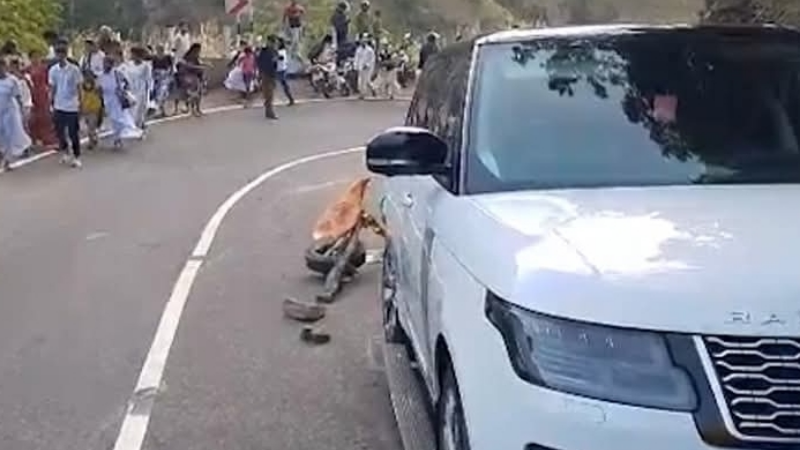
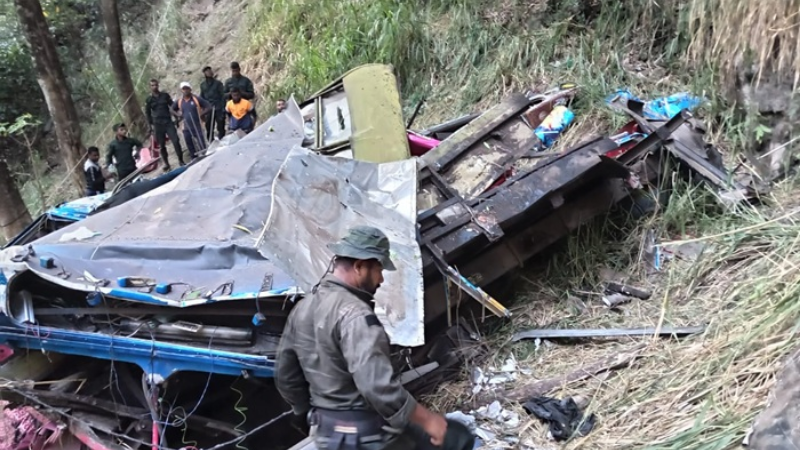
The bus was returning from their sightseeing tour when disaster struck at approximately 9:20 PM. The vehicle collided with an SUV before plunging nearly 1,000 feet into a steep precipice near the iconic Ravana Falls, creating a scene that would challenge even the most experienced rescue teams.
Among the 15 confirmed fatalities were six men and nine women, including the bus driver who had reportedly warned passengers about brake problems moments before the crash. The injured victims comprise six men, five women, three male children, and two female children, all of whom were rushed to hospitals in Badulla, Bandarawela, and Diyatalawa for urgent medical treatment.
Eyewitness Accounts Reveal Terrifying Brake Failure
Survivors’ testimonies paint a chilling picture of the final moments before the crash, revealing that multiple passengers were aware of the bus’s mechanical problems but couldn’t prevent the tragedy.
The bus conductor, who survived the accident despite sustaining injuries, spoke to media from his hospital bed, providing crucial details about the incident. “While coming downhill, the driver told me the brakes were failing,” he revealed. “We somehow managed to come downhill initially, but when trying to overtake a tipper truck, the accident occurred. We weren’t driving at high speed.”
Another survivor, speaking from Badulla Hospital, corroborated this account with even more disturbing details. The passenger revealed that he was engaged in conversation with both the driver and conductor when the driver mentioned brake failure while navigating a bend. Tragically, nearby passengers, including the conductor, initially laughed at the driver’s comment, not realizing the severity of the situation.
“However, when he took the second bend, we realized there was no brake,” the survivor explained. “The bus then crashed into a vehicle that had come in the opposite direction, after which it toppled into the precipice. I was unconscious for about an hour and woke up to the sound of a child crying.”
Hero Emerges: Special Forces Soldier Risks Life in Dramatic Rescue
In the midst of this tragedy, extraordinary heroism emerged when an off-duty Special Forces soldier risked his own life to save trapped victims. Lance Corporal W.M.V.M. Bandara of the 2nd Special Forces Regiment became the unexpected hero of the night, demonstrating the selfless courage that defines Sri Lanka’s military personnel.
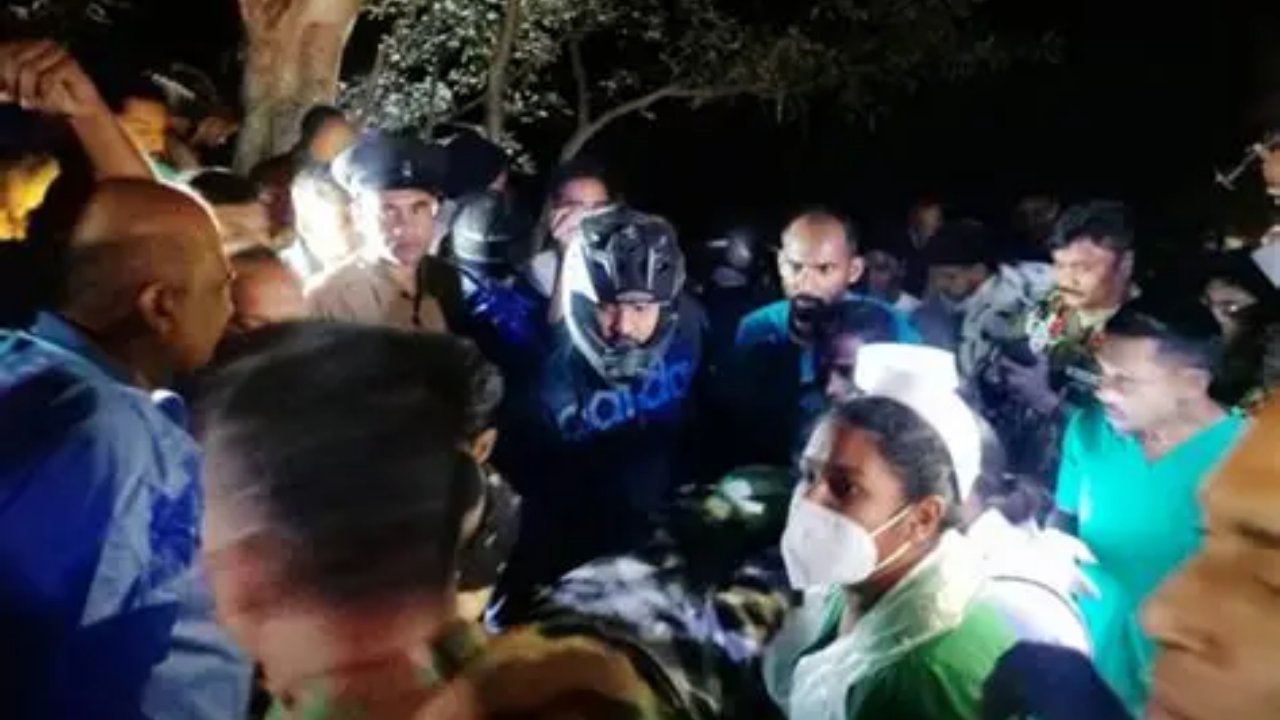
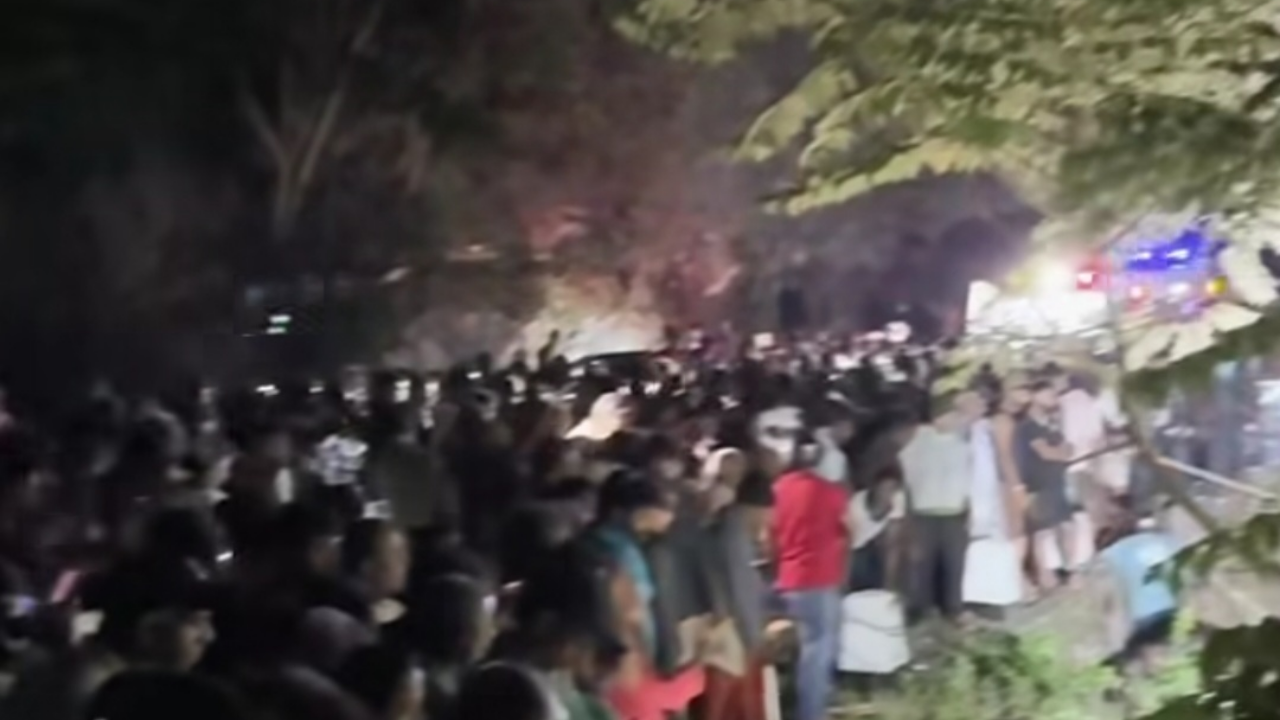
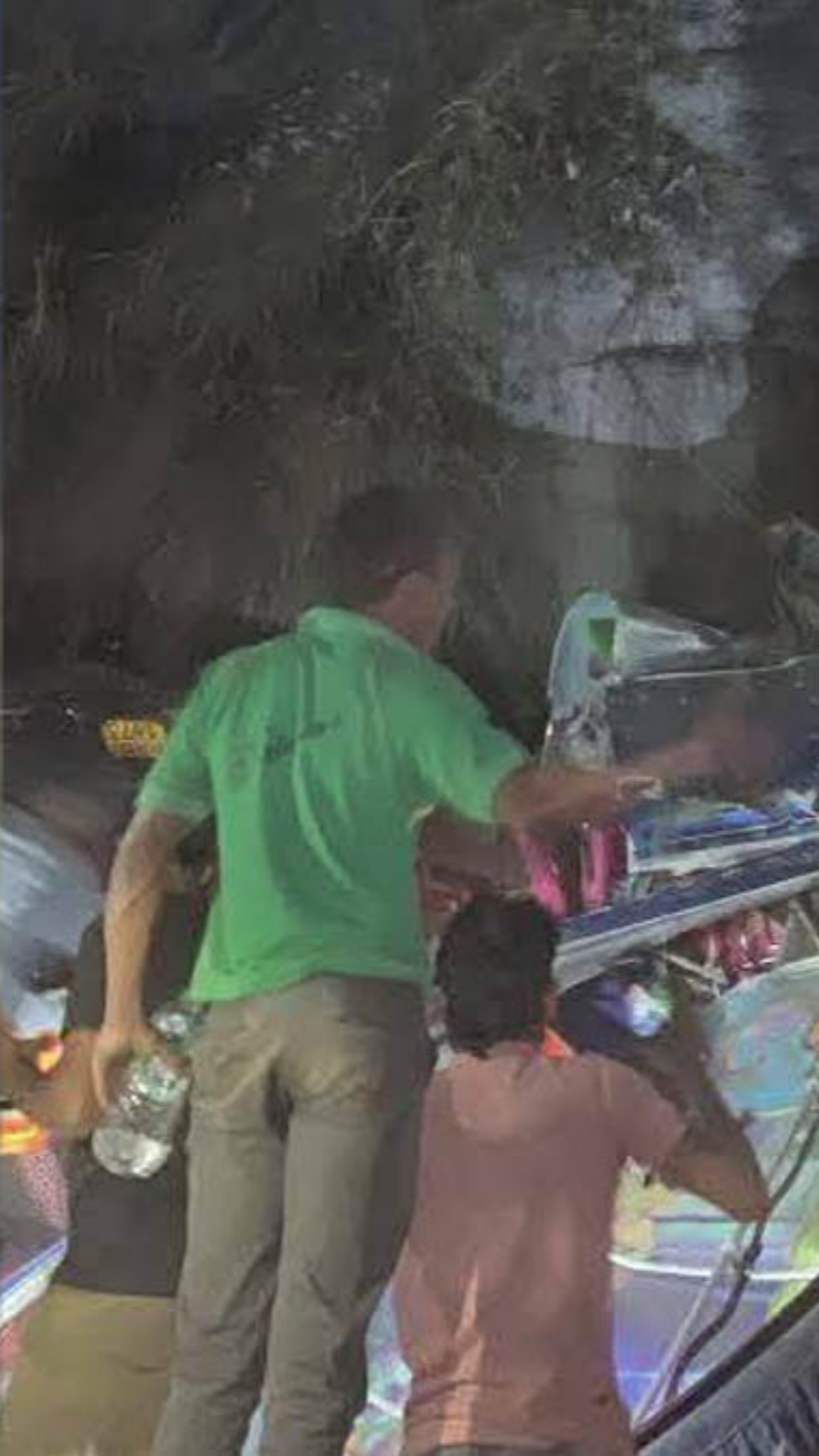
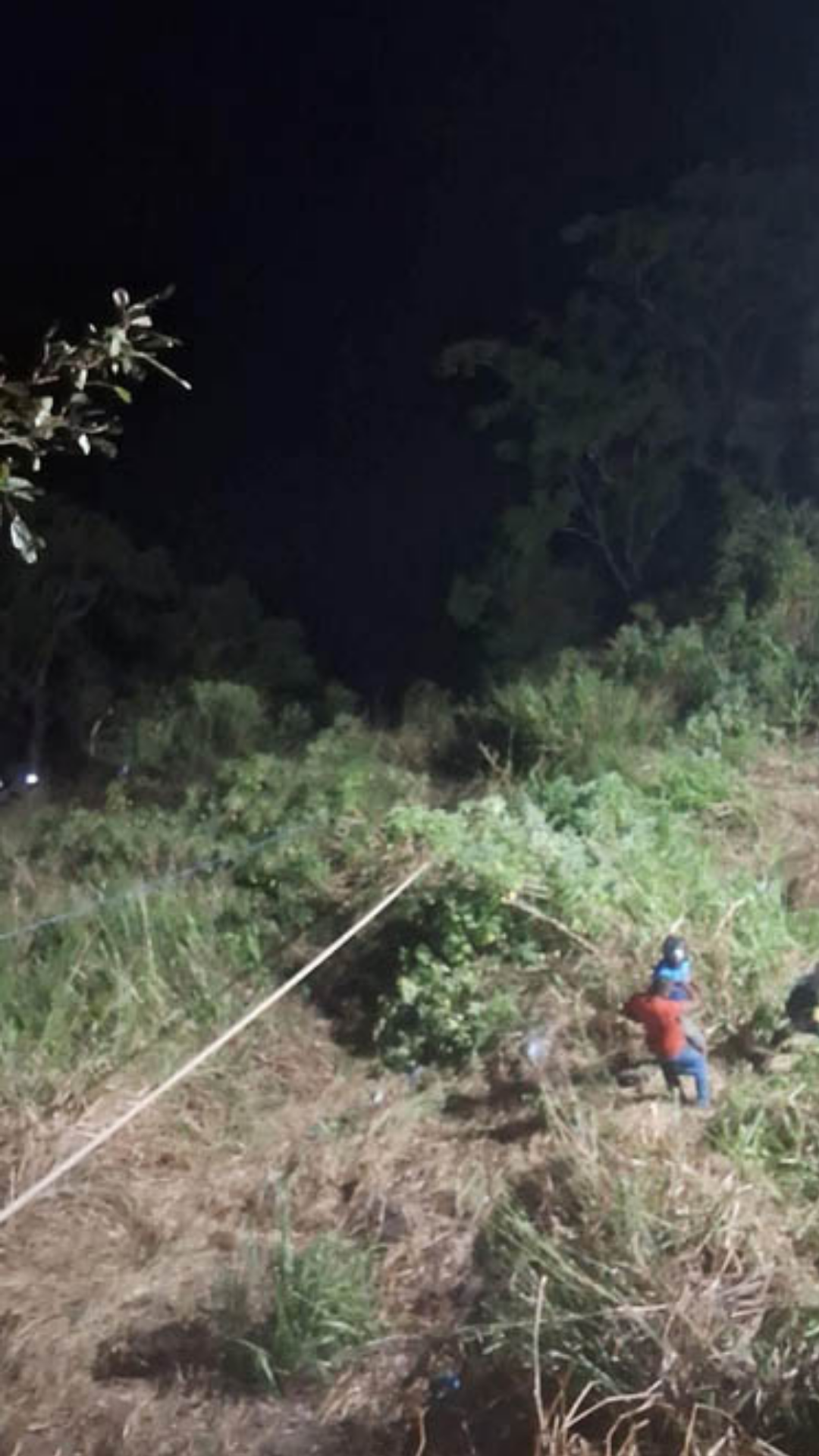
When the first group of soldiers arrived at the accident site near Ravana Falls, they found a large crowd had already gathered. Among them was a young man wearing a Special Forces T-shirt who immediately took leadership of rescue efforts. Despite the extreme difficulty and danger of accessing the crash site – nearly impossible for ordinary civilians – Lance Corporal Bandara climbed down the treacherous precipice multiple times.
The soldier successfully rescued four deceased individuals and three injured persons who were trapped above the location where the bus had come to rest. During one of his rappelling descents while carrying an injured victim, Bandara struck his head on a rock, sustaining a serious injury. Remarkably, even in pain and bleeding, he continued assisting in the rescue operation until all victims were safely evacuated.
This act of extraordinary bravery exemplifies the spirit of service that runs deep in Sri Lankan society, particularly among its armed forces personnel who often go beyond the call of duty during national emergencies.
Massive Military Response: 200 Personnel Mobilized
The scale of the rescue operation was unprecedented, involving approximately 200 army personnel from multiple elite units. Acting under direct instructions from Army Commander Lieutenant General Lasantha Rodrigo, military forces immediately mobilized to support emergency rescue efforts.
The deployment included members from the prestigious Vijayabahu Infantry Regiment, the renowned Gemunu Watch, and the specialized Commando Regiment. The challenging terrain made evacuation extremely difficult, as injured victims had to be transported uphill over half a kilometer from the bottom of the ravine.
Army commandos, specifically trained in rappelling and rescue operations, played crucial roles in successfully evacuating all victims. The Sri Lankan Army noted that numerous local residents joined military personnel in rescue efforts, highlighting the community spirit that emerges during times of crisis.
The Sri Lanka Air Force also prepared for potential emergency medical evacuations, deploying an MI-17 helicopter at SLAF CTS Diyatalawa and a Bell 412 helicopter at SLAF Station Weerawila on standby. These aircraft remained ready to airlift critically injured patients to Colombo if required.
Government Response: Rs. 1 Million Compensation Announced
President’s immediate response demonstrated the government’s commitment to supporting affected families. The President’s Fund announced it would provide Rs. 1 million compensation to each family that lost a loved one in this tragic accident.
This decision came within 24 hours of the tragedy, showing swift government action during this national mourning period. The compensation aims to provide some financial relief to families dealing with unexpected funeral expenses and the loss of primary breadwinners.
Deputy Minister of Local Government Ruwan Senarath confirmed that 13 employees of Tangalle Urban Council died in the accident, including the Municipal Council Secretary. The loss represents a significant blow to the local government administration and the community they served.
Investigation Reveals Critical Safety Questions
Authorities have taken swift action to investigate the circumstances surrounding this preventable tragedy. The driver of the SUV that collided with the bus has been arrested on charges of negligence and failure to prevent the accident.
However, the multiple eyewitness accounts of brake failure raise serious questions about vehicle maintenance and safety inspections for public transportation. The fact that the driver was aware of brake problems and continued driving highlights systemic issues in Sri Lanka’s public transport safety protocols.
The Ella Police are conducting comprehensive investigations to determine:
- The exact sequence of events leading to the collision
- Whether proper vehicle maintenance procedures were followed
- The role of the SUV driver in causing or contributing to the accident
- Potential negligence by transport operators or regulatory authorities
Opposition Leaders Call for Transport Safety Reforms
Opposition Leader Sajith Premadasa expressed deep condolences while calling for immediate policy changes to prevent similar tragedies. In his official statement, Premadasa emphasized the need for parliamentary representatives to take decisive action on transport safety.
“We have heard of many such tragic vehicle accidents in recent times,” Premadasa stated. “I emphasize that we, the people’s representatives in Parliament, are committed to taking every possible step and policy decision necessary to minimize the occurrence of such incidents in the future.”
This political response indicates that the tragedy may catalyze broader discussions about road safety regulations, vehicle inspection standards, and emergency response protocols in Sri Lanka’s challenging mountainous terrain.
Community Impact: Nation Mourns Municipal Servants
The loss of 13 Tangalle Urban Council employees represents more than statistics – these were dedicated public servants who contributed to their community’s development. Their deaths create immediate administrative challenges for local government operations while devastating families and colleagues.
The tragedy particularly impacts the Tangalle community, where the victims were well-known figures who worked daily to improve municipal services. Their planned leisure trip to Ella’s scenic beauty transformed into a journey that would never end, leaving behind grieving families, colleagues, and a community struggling to comprehend such sudden loss.
Children were among both the victims and survivors, adding another layer of heartbreak to an already devastating situation. The fact that families were traveling together makes the tragedy even more poignant, as some households lost multiple members while others face long recovery processes for injured children.
Lessons and Prevention: Addressing Systemic Issues
This tragedy exposes critical gaps in Sri Lanka’s transport safety infrastructure that demand immediate attention. The mountainous terrain between Ella and Wellawaya presents inherent challenges, but proper vehicle maintenance and safety protocols could prevent many accidents.
Key areas requiring urgent reform include:
Vehicle Inspection Standards: Regular, thorough mechanical inspections must be mandatory for all public transport vehicles, with particular attention to braking systems in mountain routes.
Driver Training: Enhanced training programs for drivers operating in challenging terrain, including emergency procedures for brake failure situations.
Route Safety Measures: Installation of additional safety barriers, warning signs, and emergency stopping areas on dangerous mountain roads.
Emergency Response: Improved coordination between civilian authorities and military rescue teams, building on the successful response demonstrated during this incident.
Maintenance Protocols: Strict enforcement of vehicle maintenance schedules and immediate removal of vehicles showing any mechanical problems.
Community Resilience: United in Tragedy
The response to this tragedy demonstrates Sri Lanka’s remarkable capacity for community solidarity during times of crisis. From the heroic actions of Lance Corporal Bandara to the participation of local residents in rescue efforts, the incident revealed the best of human nature amid devastating circumstances.
The swift mobilization of 200 military personnel, the immediate government compensation announcement, and the coordinated medical response show institutional effectiveness when faced with emergencies. This collaborative approach between military, civilian authorities, and community members saved lives and provided hope during the darkest hours.
Moving Forward: Honoring the Victims
As Sri Lanka mourns these 15 precious lives lost, the nation must transform grief into action. The victims – municipal employees who dedicated their lives to public service – deserve more than memorial words; they deserve systemic changes that prevent future tragedies.
The investigation must be thorough and transparent, holding responsible parties accountable while implementing concrete safety improvements. The heroism displayed during rescue operations should inspire similar dedication to preventing such accidents through better safety measures and regulations.
The children who survived need ongoing medical and psychological support, while the families of victims require sustained community assistance beyond initial compensation. This tragedy tests not only emergency response capabilities but also long-term community care and support systems.
A Call for Lasting Change
The Ella bus tragedy of September 5, 2025, will be remembered not only for the lives lost but also for the heroism displayed and the urgent need for transport safety reforms it highlighted. As rescue operations conclude and investigations continue, Sri Lanka faces a critical moment to address systemic issues that contribute to such preventable accidents.
The testimony of survivors about brake failure warnings, the heroic rescue efforts by military personnel and civilians, and the swift government response all provide lessons for building a safer transportation system. Every life lost in this tragedy must serve as motivation for implementing comprehensive safety reforms that protect future travelers on Sri Lanka’s challenging but beautiful mountain roads.
The resilience and compassion demonstrated during this crisis reflect the strength of Sri Lankan society. Now, that same spirit must drive the persistent effort needed to ensure that no other families experience such devastating loss during what should be joyful leisure trips to the island’s magnificent destinations.