Kamzy Gunaratnam:Born in Jaffna, raised in the Arctic Circle, now in Norway’s cabinet. How a Tamil refugee became Transport Minister
She survived a massacre by swimming through gunfire. Now she runs Norway’s roads, railways, and airports — and her journey started in a Sri Lanka she was once banned from entering.
On 11 September 2026, Norwegian Prime Minister Jonas Gahr Støre stood before cameras and handed one of his country’s biggest ministries to a woman who arrived in Norway 35 years earlier as a three-year-old refugee. Kamzy Gunaratnam, born Khamshajiny Gunaratnam in Jaffna, took the oath as Norway’s new Minister of Transport that same afternoon. She now controls a ministry that spends more than 100 billion kroner a year and oversees the state companies that run Norway’s trains, roads, airports, and sea routes.
For Sri Lankans, and especially for the Tamil diaspora scattered across the world since the civil war, her rise carries a weight that goes far beyond Norwegian politics. A child who fled Jaffna in 1991 now sits in the cabinet of a Western European government. Her story runs through a refugee boat, a fishing town in the Arctic Circle, a massacre that killed 69 of her friends, and finally, a seat at the table where Norway makes its biggest decisions.
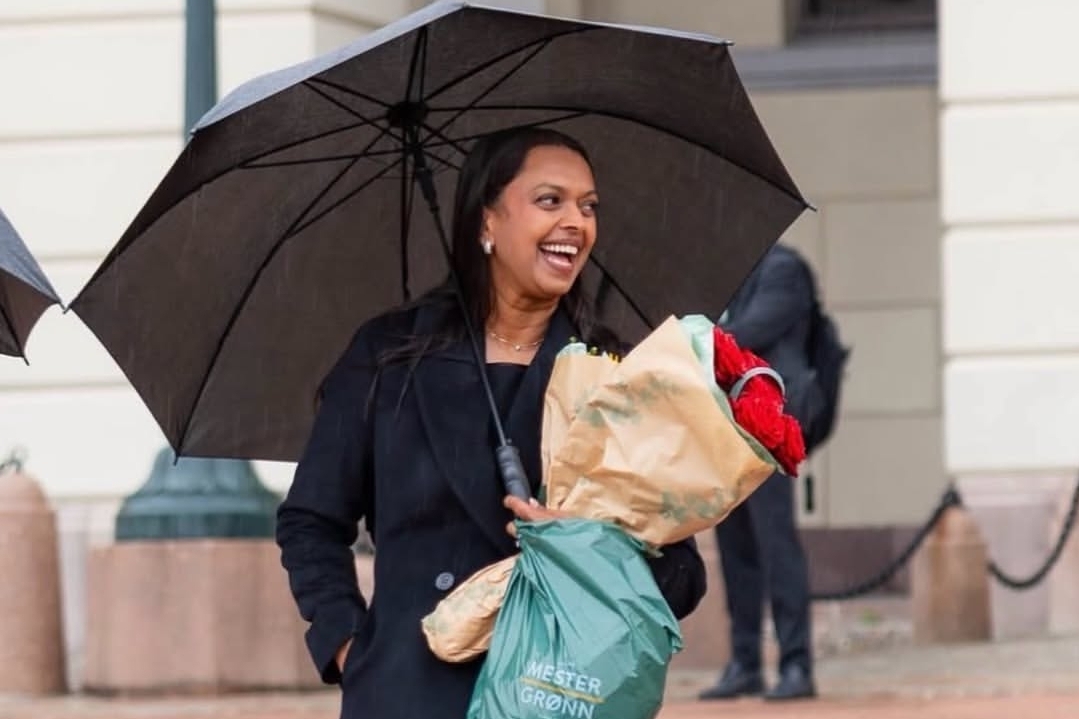
A Family That Fled a War
Kamzy Gunaratnam was born in March 1988 in Jaffna, at the height of Sri Lanka’s civil war. Her parents made the decision that thousands of Tamil families made during those years: leave, or risk losing everything. In 1991, when she was three years old, the family left Sri Lanka and resettled in Norway.
Norway did not place them in Oslo. Instead, the family landed in Hammerfest, a small fishing town far north of the Arctic Circle, where her parents took up work in the fishing industry. It was about as far from tropical Jaffna as a family could travel. A few years later, wanting their children to grow up connected to their roots, her parents moved the family south to Oslo so that Gunaratnam and her brother could attend a Tamil school. They settled in Groruddalen, a working-class district known for its large immigrant population.
Gunaratnam has spoken about how the war she was born into shaped her, even though she left as a toddler. Addressing Norway’s parliament earlier this year, she described her mother sheltering from air raids while pregnant with her, and she raised the unresolved question of Sri Lanka’s wartime disappearances — including the mass grave site at Chemmani in Jaffna, where court-supervised excavations have now uncovered more than 580 sets of human remains, among them infants and young children. Identifying the dead has still not begun.
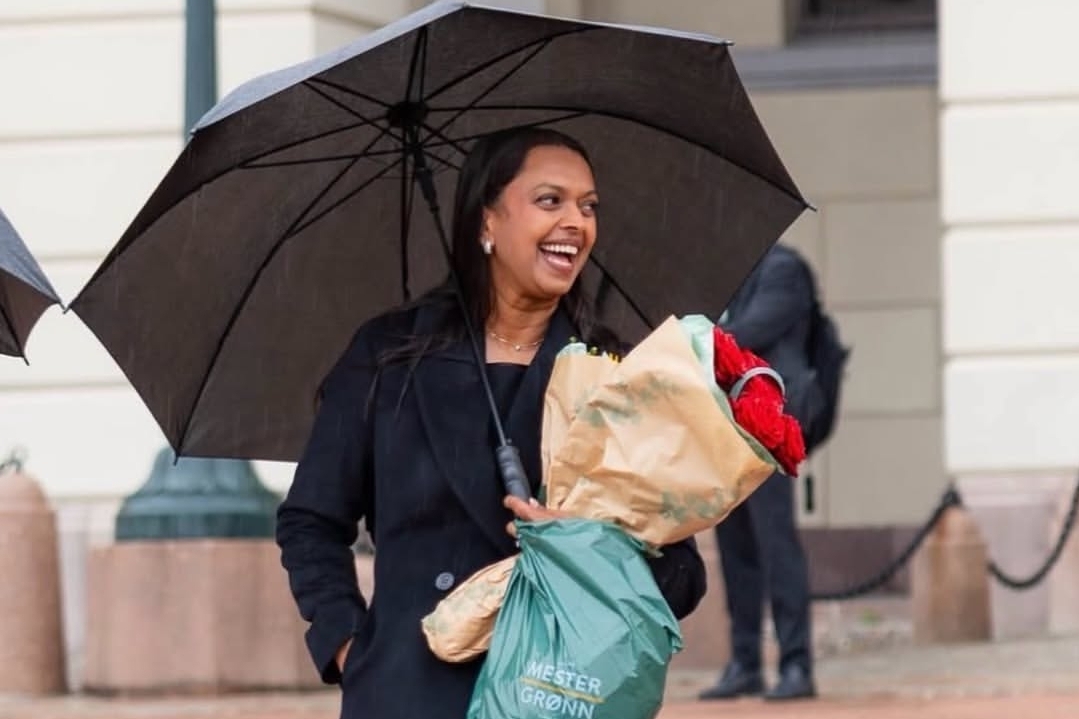
Politics Found Her Early
Kamzy Gunaratnam’s entry into public life did not start with an ambition to become a minister. It started with the Tamil Youth Organisation in Oslo, where she got involved as a teenager trying to make sense of what had happened to the country she came from. Through that community work, she crossed paths with Raymond Johansen, then a senior Labour Party figure who would later become Oslo’s governing mayor. He encouraged her to get involved in politics directly, and she took the leap.
At just 19 years old, in 2007, Gunaratnam won a seat on Oslo City Council. She would spend the next 14 years on that council, rising through the ranks of the Labour Party’s youth wing, the AUF, and eventually editing the organisation’s national membership magazine. In 2015, at the age of 27, she became Oslo’s deputy mayor — the youngest person ever to hold the post. She kept that job for six years, until 2021, when she moved to national politics and won a seat in the Storting, Norway’s parliament, representing Oslo. Voters re-elected her in 2025.
Her rise was not without friction. In March 2023, she resigned from her leadership role in the Oslo Labour Party, saying the party needed new leadership. During that same announcement, she criticised the party leadership for being overwhelmingly white, using a Norwegian term that some in the media and public later called a racial slur. The moment sparked a debate in Norway about diversity within the country’s biggest political party — a debate Gunaratnam herself had spent years pushing for.
Surviving Utøya
No account of Kamzy Gunaratnam’s life is complete without 22 July 2011. That day, she was 23 years old and an executive board member of the AUF, attending the organisation’s annual summer camp on the island of Utøya. A far-right gunman, Anders Behring Breivik, landed on the island disguised as a police officer and began shooting. Over the next hour and a half, he killed 69 people, most of them teenagers.
Kamzy Gunaratnam survived by running to the water’s edge and swimming roughly 500 metres across the cold Tyrifjorden lake while bullets struck the surface around her. She later said she stayed calm, ran, and swam — three actions that saved her life that day. She lost her best friend in the massacre. When Breivik was tried and convicted, one of the charges against him was the attempted murder of Gunaratnam herself.
That day did not push her out of public life. If anything, it hardened her commitment to it. In the years since, she has become one of Norway’s most visible voices against online hate speech, a subject she has faced personally as a woman of colour and a refugee in Norwegian politics.
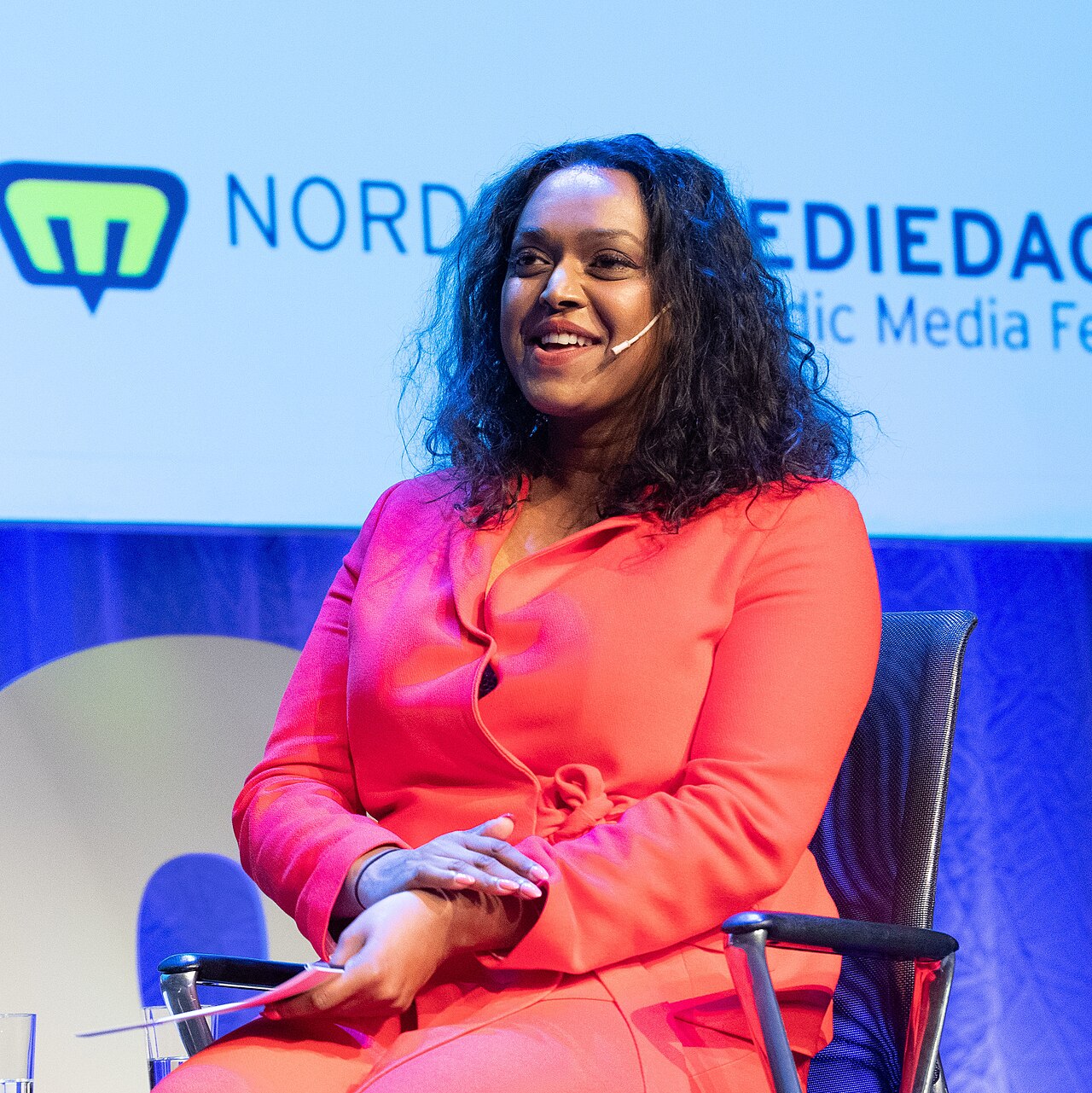
A Complicated Relationship With the Island She Left
Kamzy Gunaratnam has never fully cut ties with Sri Lanka, even after being barred from entering the country for a period because of her political activity in Norway. In January 2019, during a ten-day visit to the island, she met then-president Maithripala Sirisena at the Presidential Secretariat — a meeting notable because Sirisena had served as acting defence minister during the final, bloodiest phase of the war and later presided over Sri Lanka’s failure to deliver on the accountability commitments it made to the UN Human Rights Council in 2015.
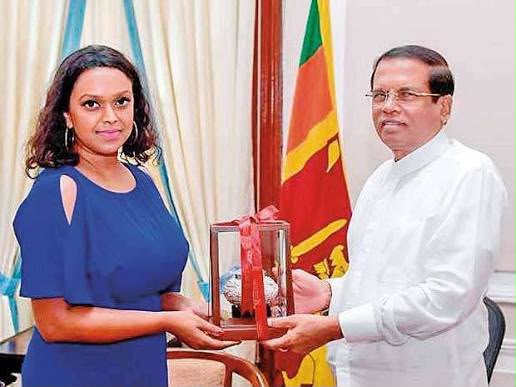
At the time, she also said she would be open to meeting Gotabaya Rajapaksa, who had overseen the military’s final offensive as defence secretary and would go on to become president the following year. Her willingness to engage directly with figures tied to the war’s final chapter drew mixed reactions, but it reflected an approach she has kept throughout her career: showing up at the table, even the uncomfortable ones, rather than staying outside it.
The New Job — and the Doubters
Kamzy Gunaratnam’s appointment as Transport Minister came as part of a broader cabinet reshuffle by Prime Minister Støre, which also brought in new ministers Eileen Fugelsnes and Torgeir Micaelsen. She replaced Jon-Ivar Nygård, who had led the ministry since October 2021. Støre praised her handling of previous responsibilities and framed the new post as a chance for her to serve the whole country, pointing to her upbringing in both the far north and the south of Norway.
Not everyone welcomed the appointment. Gunaratnam does not hold a driver’s licence and relies on public transport to get around — a detail that made her only the second Norwegian transport minister in decades without one, after Odd Einar Dørum in 1997. Critics have also pointed out that her hands-on experience in the sector is limited to less than a year serving on parliament’s transport and communications committee, and that she has never previously held a ministerial or state secretary role. Politicians from western Norway have raised concerns that an Oslo-based minister might overlook infrastructure projects outside the capital.
The ministry she now runs is not a quiet one. It oversees state companies including the rail infrastructure manager Bane NOR, national carrier Vy, airport operator Avinor, and train operator Norske Tog, at a time when Norway’s railways have faced repeated stoppages and the Moss train station project has run billions of kroner over budget.
What Her Story Means Beyond Norway
For a Sri Lankan or Tamil reader, Gunaratnam’s appointment lands differently than it does in a Norwegian newsroom. It is not simply a cabinet reshuffle story. It is the story of a child who left Jaffna with nothing, grew up in a fishing town near the Arctic Circle, survived one of Europe’s deadliest peacetime massacres, and ended up in charge of one of her adopted country’s largest ministries — all while never fully letting go of the island she was born in.
She has used her platform in the Storting to speak about Chemmani, about wartime disappearances, and about a homeland she describes as still not fully safe or secure for its people. Whether her voice carries any real weight back in Colombo remains to be seen. But as she now oversees the trains and roads that hold Norway together, her own journey — from a refugee boat to a government car she may not even be able to drive — remains one of the more remarkable political stories to come out of the Tamil diaspora in a generation.
Frequently Asked Questions
1. Who is Kamzy Gunaratnam? Kamzy Gunaratnam is a Norwegian politician born in Jaffna, Sri Lanka, who fled to Norway as a young child during the civil war. She rose through Oslo city politics to become Norway’s Minister of Transport in September 2026.
2. When did Kamzy Gunaratnam become Norway’s Transport Minister? She was appointed at a cabinet meeting on 11 September 2026 and took office the same day, replacing Jon-Ivar Nygård as part of a wider reshuffle by Prime Minister Jonas Gahr Støre.
3. How did Kamzy Gunaratnam survive the 2011 Utøya massacre? She escaped the attack by running to the shoreline and swimming roughly 500 metres across Tyrifjorden lake while the gunman fired at people in the water. She was 23 at the time and lost her best friend in the massacre.
4. Why has Kamzy Gunaratnam’s appointment drawn criticism? Critics point out that she does not hold a driver’s licence, has less than a year of direct experience on parliament’s transport committee, and has never held a ministerial post before. Some politicians in western Norway also worry an Oslo-based minister will favour the capital.
5. Does Kamzy Gunaratnam still have ties to Sri Lanka? Yes. She has visited Sri Lanka and met with former president Maithripala Sirisena, spoken in Norway’s parliament about wartime disappearances and the Chemmani mass grave site in Jaffna, and remains vocal about accountability for the civil war.